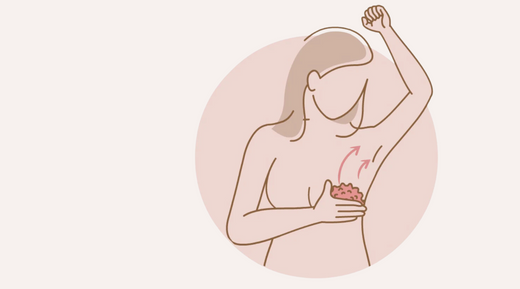


Why weaning can sometimes feel challenging
Weaning is a natural part of the end of the breastfeeding journey. As your body begins to slow milk production and adjust to fewer feeds, it can also bring physical changes that may feel uncomfortable or unfamiliar. During this time, it is common to experience breast fullness, tenderness and changes in breast comfort.
These changes can feel challenging at times and, in some situations if not managed, may contribute to common breastfeeding concerns including engorgement, blocked ducts, discomfort, breast pain and mastitis.
Lactamo can support mothers throughout the weaning process, helping both proactively to reduce the risk of problems developing and reactively to relieve and manage symptoms should they occur.
How does Lactamo support weaning?
Lactamo can be used during weaning to support gentle breast drainage, facilitate lymphatic drainage, relieve discomfort and support breast comfort through a combination of temperature, movement and light compression.
- Temperature – gentle cooling can help support comfort, address inflammation and congestion, assist lymphatic drainage, relieve swelling and discomfort, and support milk movement and flow, as appropriate.
- Movement – gentle rolling and textured surfaces help facilitate lymphatic drainage, encourage circulation, and support gentle milk movement and flow, as appropriate.
- Compression – light, gentle compression, delivered through Lactamo's soft design, assists lymphatic drainage and therapeutic breast massage while avoiding the risks associated with deep or aggressive breast massage.
Lactamo can be used before, during or after feeds, or between feeds, depending on how quickly weaning is occurring and what symptoms are present. Supporting gentle lymphatic drainage and milk movement may help ease the transition as your breasts gradually adjust to producing less milk.
Using Lactamo for weaning
Depending on the breastfeeding challenge you’re most prone to, select the relevant icon below for how to use Lactamo




FAQ
Weaning is the process of reducing breastfeeding sessions until milk production naturally slows or stops.
It can happen:
- Gradually over weeks or months
- Suddenly (due to medical or personal reasons)
- Partially (mixed feeding or night weaning)
During this time, the body continues to produce milk until supply naturally decreases.
When feeds reduce, milk is no longer removed as frequently, which can lead to:
- Breast fullness or engorgement
- Hard or tender areas
- Blocked ducts
- Temporary breast fullness or a feeling of continued milk production
- Leaking between feeds
- Hormonal changes that may affect mood
These changes are common and often temporary. However, if milk stasis develops, the risk of inflammation, breast pain and mastitis may increase.
Mild discomfort, fullness or tenderness is common during weaning, especially in the first few days after reducing feeds.
However, pain that is:
- Localised and worsening
- Accompanied by fever or flu-like symptoms
- Associated with redness or heat
may indicate inflammation, a blocked duct or mastitis.
To help make weaning more comfortable and reduce the risk of breastfeeding problems:
- Reduce feeds gradually where possible, rather than stopping suddenly.
- Use gentle lymphatic drainage techniques (such as with Lactamo) to help relieve fullness and support comfort.
- Avoid unnecessary stimulation, but if your breasts feel overly full or uncomfortable, gentle milk movement or expressing a small amount for comfort may help.
- Avoid tight bras or pressure on your breasts.
- Monitor for early signs of breast fullness, hard or tender areas, or increasing discomfort.
If symptoms persist, worsen, or you develop increasing pain, redness, flu-like symptoms or feel unwell, seek advice from your healthcare professional.
No, Lactamo does not directly reduce milk supply. Instead, it supports gentle, natural regulation of supply by assisting the body's own drainage and comfort processes during reduced feeding.
Weaning timelines vary significantly:
- Gradual weaning: weeks to months
- Partial weaning: ongoing adjustment
- Sudden weaning: a few days to weeks for physical changes, with hormonal adjustment often taking longer
Comfort strategies can make the process easier regardless of timeline.
The safest approach is gradual reduction of feeds, allowing the body to adjust milk production slowly.
Key principles include:
- Reduce feeds one at a time where possible.
- Avoid unnecessary stimulation or excessive pumping unless needed for comfort.
- Support comfort with gentle drainage techniques.
- Monitor for signs of blocked ducts or mastitis.
Yes. Mastitis can occur during weaning if milk stasis develops and inflammation occurs.
Early signs include:
- Localised breast pain
- Hard lump or wedge-shaped area
- Redness or warmth
- Flu-like symptoms
Early gentle drainage and support can help reduce progression.
Seek medical advice if you experience:
- Fever or chills
- Rapidly worsening breast pain
- Red or hot areas on the breast
- Symptoms not improving within 24–48 hours
- Severe discomfort affecting daily function
Weaning can also cause:
- Mood fluctuations
- Feelings of sadness or loss
- Anxiety or irritability
These changes are linked to hormonal shifts as prolactin and oxytocin levels adjust. These feelings are common and often temporary.
Gentle self-care routines and physical comfort strategies can help support this transition.
If you have severe pain, fever, rapidly worsening symptoms, or concerns about your weaning journey, seek advice from your healthcare professional. Lactamo is designed to support comfort and gentle breast drainage but is not a substitute for individual medical advice.